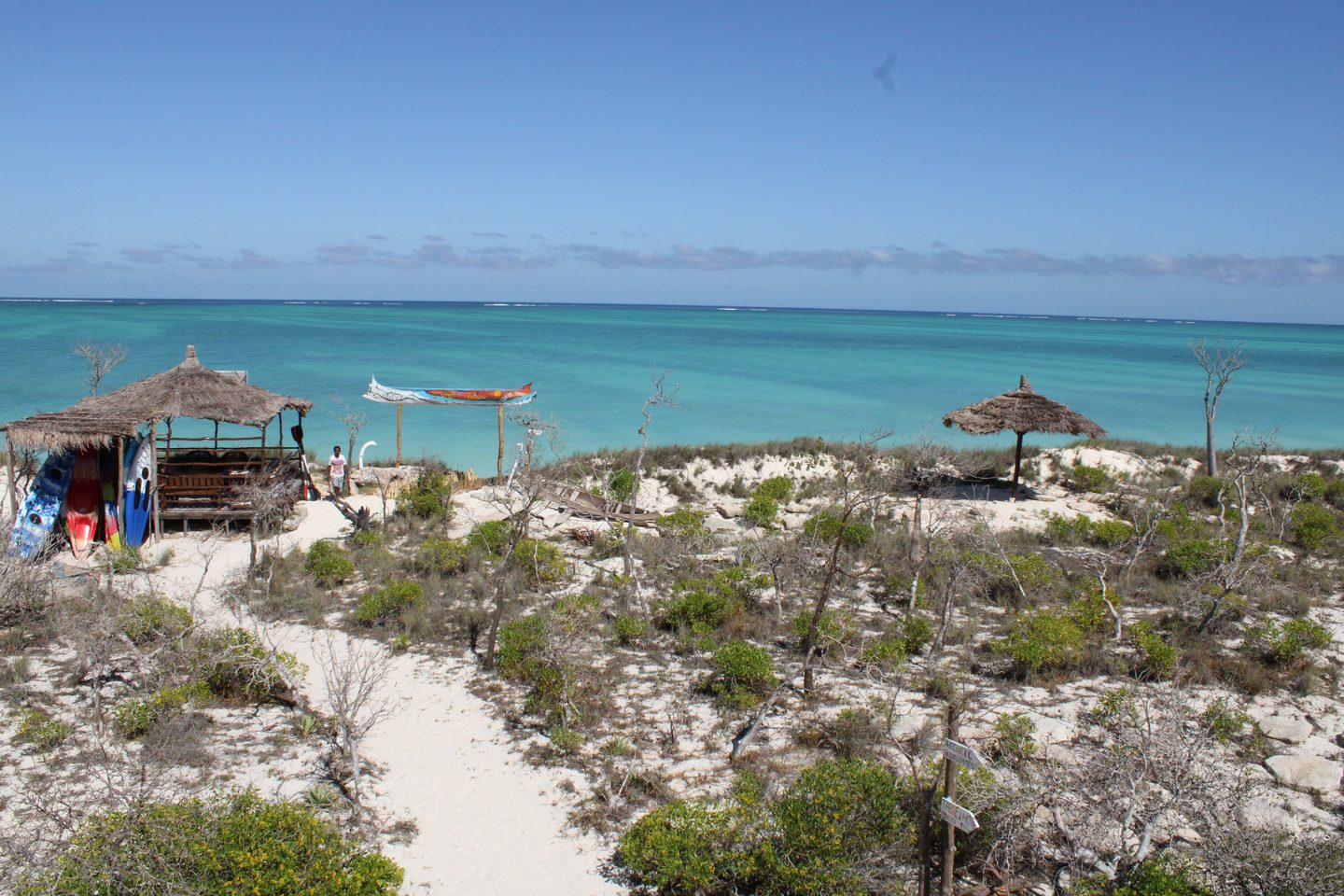
A large island with contrasting landscapes. Planning a journey starts with choosing the regions and how much time to spend in each.
When is the best time to visit Madagascar?
There is no single best time for the whole island: it depends on the region, the activities you want and conditions at that time of year. Zeno plans the itinerary around your dates and the areas you want to visit.

At Andasibe, listen as well as look.
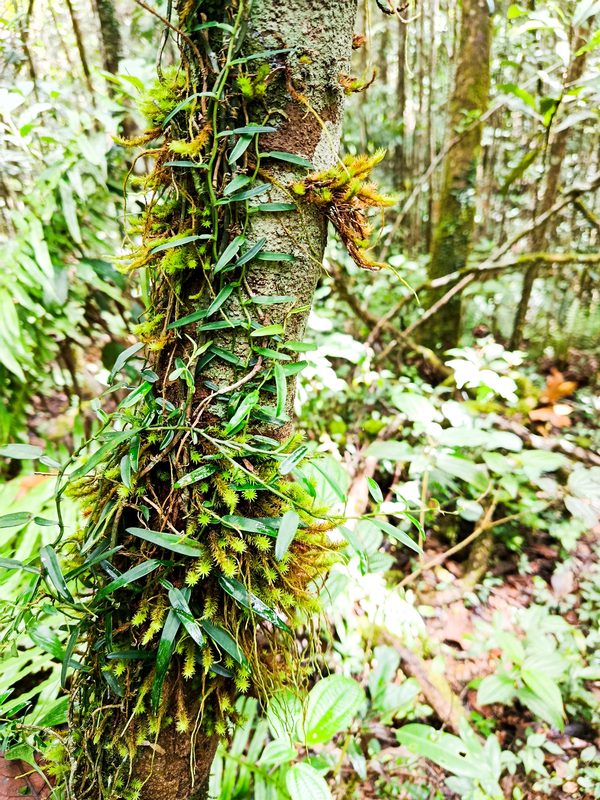
In Andasibe’s forest, look for lemurs in the trees and chameleons among the leaves. The call of an indri may draw your attention; orchids invite a closer look too.
A guide helps you notice what you might otherwise miss. Sightings vary from one walk to the next; they cannot be scheduled in advance.
From rice fields to canyons and the coast.
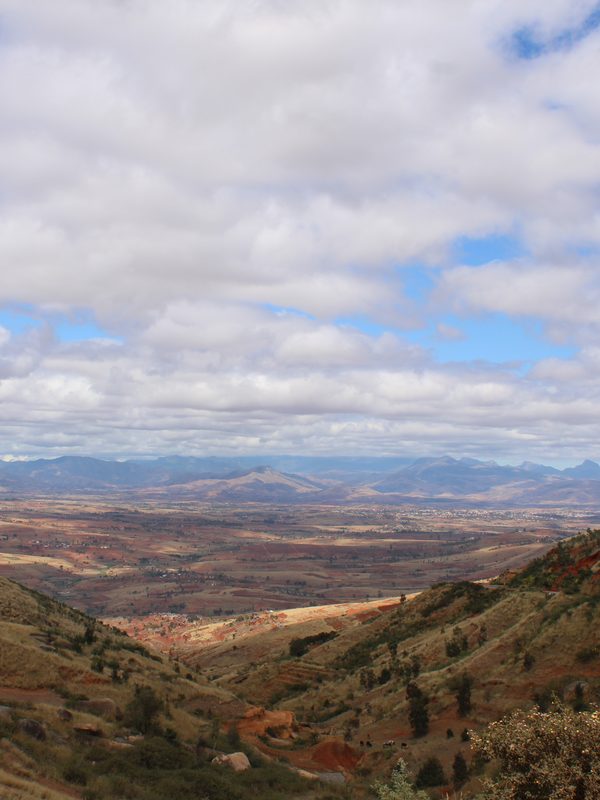
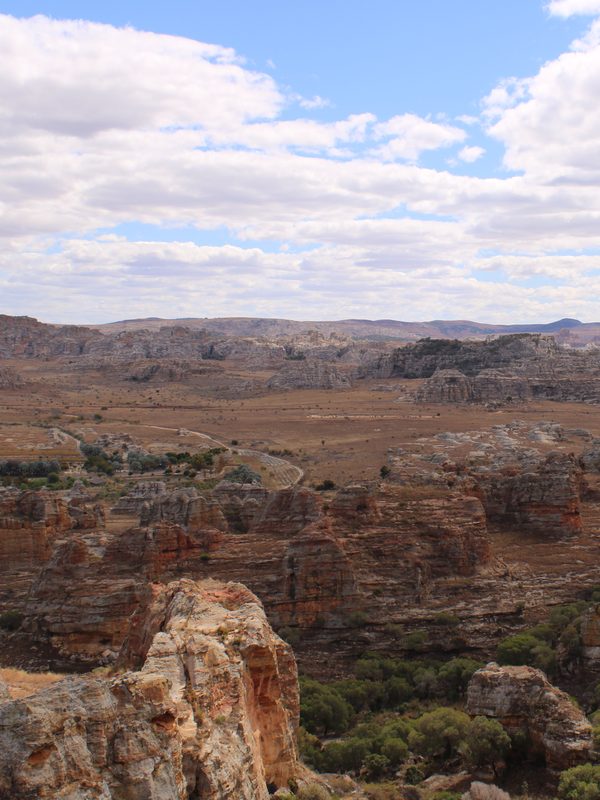
In the Highlands, the road passes rice fields. Routes east lead towards rainforest; routes south towards Isalo’s canyons and the coast. These stops form a journey over several days, with time allowed for both travel and visits.
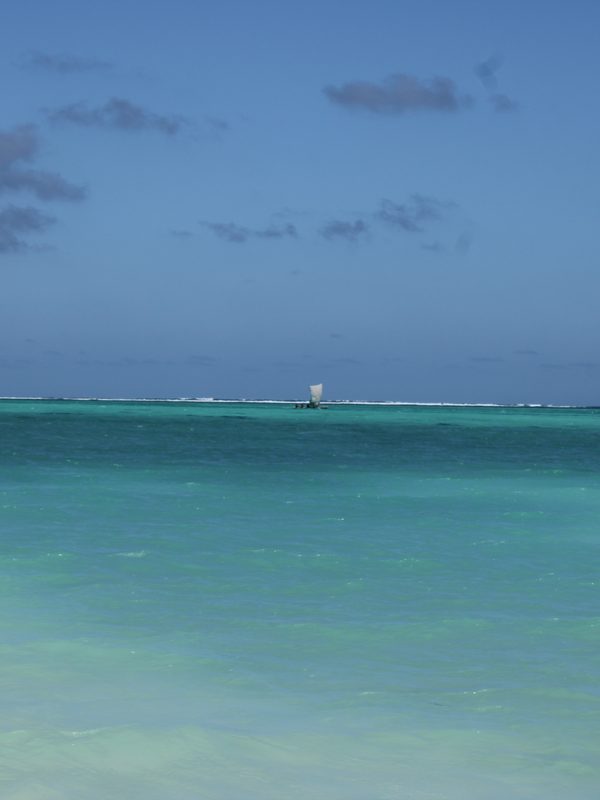
And then there are the people.
At a paper-making workshop in Ambalavao, a market or a fishing village, conversations offer a different perspective on the places you visit. We favour visits arranged with local hosts and respectful of their work.
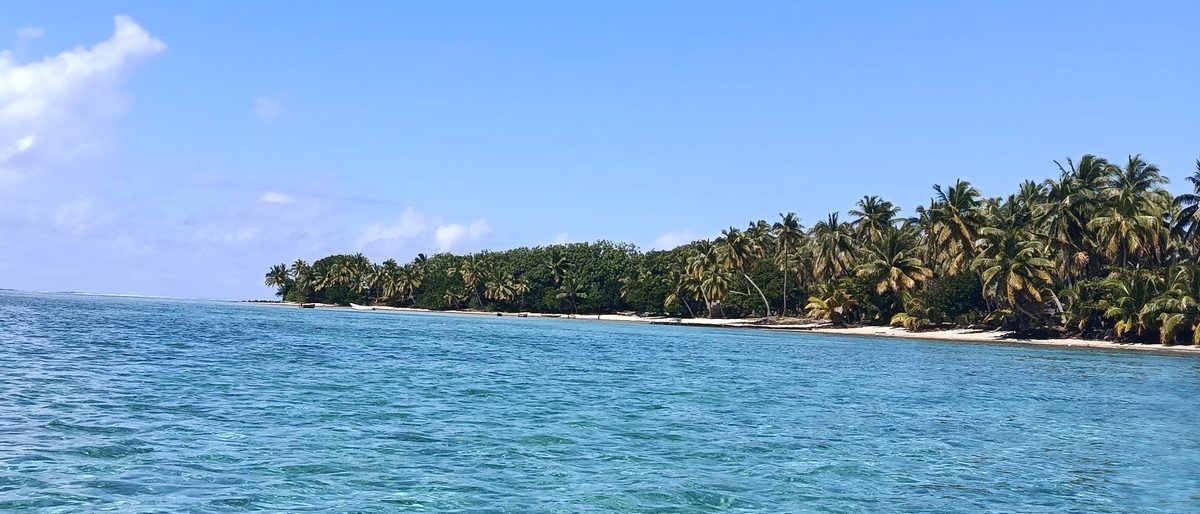
Choosing when to go, route by route.
Your dates matter as much as the regions you want to explore. Forest walks, hiking in Isalo or time on Sainte-Marie: we plan the route around the season and the activities you have in mind.
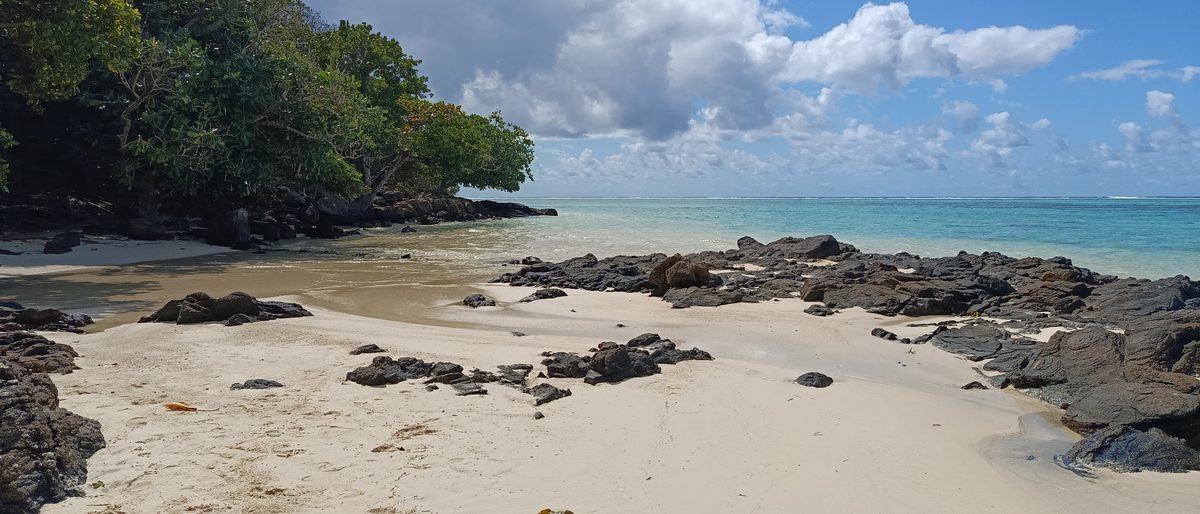
A guide to choosing your dates
This calendar shows general patterns, not a weather forecast. Conditions vary by region, year and activity; the options for your journey need to be checked for your dates.
A starting point for a touring itinerary, with particular care around the April transition. Rain remains possible, especially in the east. Access to tracks and parks needs to be checked for the stops you choose.
From July to September, a humpback whale-watching trip can be part of a stay on Sainte-Marie. It depends on the animals’ presence, sea conditions and available departures.
Rain and cyclonic weather can disrupt travel and activities. The south is not a guaranteed exception. A trip during this period needs to be planned around local conditions and current guidance.
Evenings can be cool in the Highlands, while the east is generally wetter. Dates alone do not describe conditions throughout a journey: altitude and the places you visit matter too.
Already have dates in mind? Tell us which places and activities interest you. We will suggest a route and explain any constraints you need to plan for.
Which route appeals to you?
Explore our eastern and southern itineraries, their stops and the ways they can be adapted to you.
Explore the itineraries